About Dr. Edward Thomas Chappell, MD

About Dr. Edward Thomas Chappell, MD
Dr.Chappell: Back pain is a leading cause of lost productivity at work and diminished quality of life at home. Yet, most of us will have at least one serious episode of back pain within our lifetimes. If that’s all you have to contend with, consider yourself lucky. Many others will face constant pain, rendering some completely disabled.
View surgeon profile

Monday, August 10, 2009

A Patient's Guide to Thoracic Disc Herniation

Introduction

A rise in the use of magnetic resonance imaging (MRI) has led to the discovery that many people, perhaps as many as 15 percent of Americans, have a thoracic disc herniation. Seeing a herniated thoracic disc on MRI is often incidental, meaning it shows up when the person has MRI testing for another problem.

Few people with a thoracic disc herniation feel any symptoms or have any problems as a result of this condition. In rare cases when symptoms do arise, the main concern is whether the herniated disc is affecting the spinal cord.

Although people often refer to a thoracic disc herniation as a slipped disc, the disc doesn't actually slip out of place. Rather, the term herniation means that the material in the center of the disc has squeezed out of the normal space. In the thoracic spine, this condition mostly affects people between 40 and 60 years old.

This guide will help you understand

  • how the problem develops
  • how doctors diagnose the condition
  • what treatment options are available

Anatomy

What parts of the spine are involved?

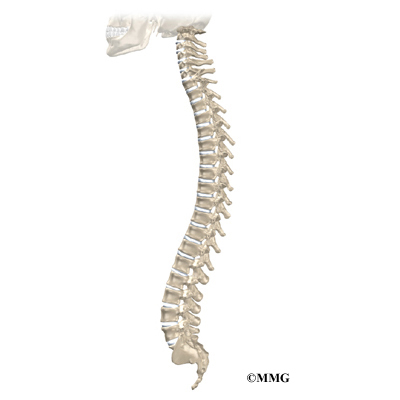
The human spine is formed by 24 spinal bones, called vertebrae. Vertebrae are stacked on top of one another to create the spinal column. The main section of each vertebra is a round block of bone, called the vertebral body.

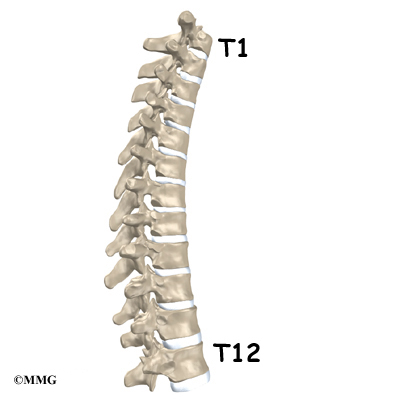
The thoracic spine is made up of the middle 12 vertebrae. Doctors often refer to these vertebrae as T1 to T12. The thoracic spine starts at the base of the neck. The lowest vertebra of the thoracic spine, T12, connects below the bottom of the rib cage to the first vertebra of the lumbar spine, called L1.

The upper half of the thoracic spine is much less mobile than the lower section, making disc herniations in the upper thoracic spine rare. About 75 percent of thoracic disc herniations occur from T8 to T12, with the majority affecting T11 and T12.

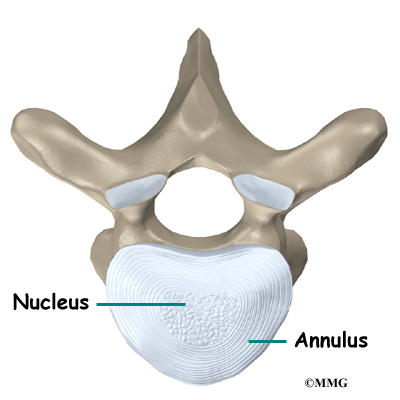
The intervertebral disc is a specialized connective tissue structure that separates the vertebral bodies. The disc is made of two parts. The center, called the nucleus, is spongy. It provides most of the disc's ability to absorb shock. The nucleus is held in place by the annulus, a series of ligament rings surrounding it. Ligaments are strong connective tissues that attach bones to other bones.

Healthy discs work like shock absorbers to cushion the spine. They protect the spine against the daily pull of gravity and during activities that put strong force on the spine, such as jumping, running, and lifting.

The spinal canal is a hollow tube inside the spinal column. It surrounds the spinal cord as it passes through the spine. The spinal cord is similar to a long wire made up of millions of nerve fibers. Just as the skull protects the brain, the bones of the spinal column protect the spinal cord. The spinal canal is narrow in the thoracic spine. Any condition that takes up extra space inside this canal can injure the spinal cord.

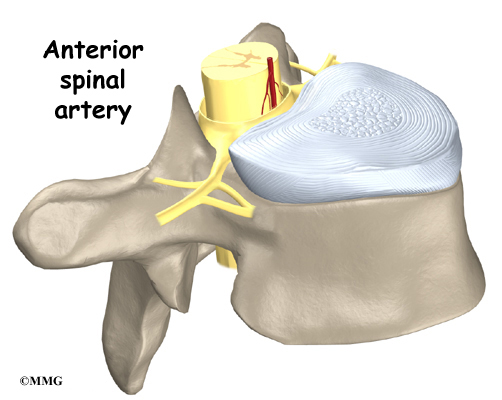
Blood vessels that run up and down the spine nourish the spinal cord. However, only one vessel, the anterior spinal artery, goes to the front of the spinal cord in the area between T4 and T9. Doctors call this section of the spine the critical zone. If this single vessel is damaged, as can happen with pressure from a herniated thoracic disc, the spinal cord has no other way to get blood. Left untreated, this section of the spinal cord dies, which can lead to severe problems of weakness or paralysis below the waist.

Related Document: A Patient's Guide to Thoracic Spine Anatomy

Causes

Why do I have this problem?

Thoracic disc herniations are mainly caused by wear and tear in the disc. This wear and tear is known as degeneration. As a disc's annulus ages, it tends to crack and tear. These injuries are repaired with scar tissue. Over time the annulus weakens, and the nucleus may squeeze (herniate) through the damaged annulus. Spine degeneration is common in T11 and T12. T12 is where the thoracic and lumbar spine meet. This link is subject to forces from daily activity, such as bending and twisting, which lead to degeneration. Not surprisingly, most thoracic disc herniations occur in this area.

Less commonly, a thoracic disc may herniate suddenly (an acute injury). A thoracic disc may herniate during a car accident or a fall. A thoracic disc may also herniate as a result of a sudden and forceful twist of the mid-back.

Diseases of the thoracic spine may lead to thoracic disc herniation. Patients with Scheuermann's disease, for example, are more likely to suffer thoracic disc herniations. It appears these patients often have more than one herniated disc, though the evidence is not conclusive.

Related Document: A Patient's Guide to Scheuermann's Disease

The spinal cord may be injured when a thoracic disc herniates. The spinal canal of the thoracic spine is narrow, so the spinal cord is immediately in danger from anything that takes up space inside the canal. Most disc herniations in the thoracic spine squeeze straight back, rather than deflecting off to either side. As a result, the disc material is often pushed directly toward the spinal cord. A herniated disc can cut off the blood supply to the spinal cord. Discs that herniate into the critical zone of the thoracic spine (T4 to T9) can shut off blood from the one and only blood vessel going to the front of the spinal cord in this section of the spine. This can cause the nerve tissues in the spinal cord to die, leading to severe problems of weakness or paralysis in the legs.

Symptoms

What does the condition feel like?

Symptoms of thoracic disc herniation vary widely. Symptoms depend on where and how big the disc herniation is, where it is pressing, and whether the spinal cord has been damaged.

Pain is usually the first symptom. The pain may be centered over the injured disc but may spread to one or both sides of the mid-back. Also, patients commonly feel a band of pain that goes around the front of the chest. Patients may eventually report sensations of pins, needles, and numbness. Others say their leg or arm muscles feel weak. Disc material that presses against the spinal cord can also cause changes in bowel and bladder function.

Disc herniations can affect areas away from the spine. Herniations in the upper part of the thoracic spine can radiate pain and other sensations into one or both arms. If the herniation occurs in the middle of the thoracic spine, pain can radiate to the abdominal or chest area, mimicking heart problems. A lower thoracic disc herniation can cause pain in the groin or lower limbs and can mimic kidney pain.

Diagnosis

How do doctors diagnose the problem?

Diagnosis begins with a complete history and physical examination. Your doctor will ask questions about your symptoms and how your problem is affecting your daily activities. These include questions about where you feel pain, if you have numbness or weakness in your arms or legs, and if you are having any problems with bowel or bladder function. Your doctor will also want to know what positions or activities make your symptoms worse or better.

Then the doctor examines you to see which back movements cause pain or other symptoms. Your skin sensation, muscle strength, and reflexes are also tested.

X-rays show the bones. They normally don't show the discs, unless one or more of the discs have calcified. This is significant in the diagnosis of thoracic disc herniation. A calcified disc that appears on X-ray to poke into the spinal canal is a fairlyreliable sign that the disc has herniated. It isn't clear why a problem thoracic disc sometimes hardens from calcification, though past injury of the disc is one possibility.

The best way to diagnose a herniated thoracic disc is with magnetic resonance imaging (MRI). The MRI machine uses magnetic waves rather than X-rays to show the soft tissues of the body. It gives a clear picture of the discs and whether one has herniated. This machine creates pictures that look like slices of the area your doctor is interested in. The test does not require dye or a needle. This test has shown doctors that many people without symptoms have thoracic disc herniations. This has led some doctors to suggest that thoracic disc herniations not causing symptoms are normal.

Before MRI, doctors relied mainly on myelography to diagnose thoracic disc herniations. By itself, myelography only helps diagnose this condition in about half the cases. Myelography is a kind of X-ray test. A special dye is injected into the space around the spinal canal. The dye shows up on an X-ray. It helps a doctor see if the disc is pushing into the spinal canal.

Computed tomography (CT scan) may be ordered. This is a detailed X-ray that lets doctors see the body's tissue in images that also look like slices. The images provide more information about calcified discs. Doctors may combine the CT scan with myelography. When the CT scan is performed, the myelography dye highlights the spinal cord and nerves. The dye can improve the accuracy of a standard CT scan for diagnosing a herniated thoracic disc.

Doctors rely mostly on MRI for diagnosing thoracic disc herniations. However, they may use myelography and CT scans when preparing to do surgery to fix a herniated thoracic disc.

Treatment

What treatment options are available?

Nonsurgical Treatment

Doctors closely monitor patients with symptoms from a thoracic disc herniation, even when the size of the herniation is small. If the disc starts to put pressure on the spinal cord or on the blood vessels going to the spinal cord, severe neurological symptoms can develop rapidly. In these cases, surgery is needed right away. However, unless your condition is affecting the spinal cord or is rapidly getting worse, most doctors will begin with nonsurgical treatment.

At first, your doctor may recommend immobilizing your back. Keeping the back still for a short time can calm inflammation and pain. This might include one to two days of bed rest, since lying on your back can take pressure off sore discs and nerves. However, most doctors advise against strict bed rest and prefer their patients do ordinary activities, using pain to gauge how much activity is too much. Another option for immobilizing the back is a back support brace worn for up to one week.

Doctors prescribe certain types of medication for patients with thoracic disc herniation. Patients may be prescribed anti-inflammatory medications such as aspirin or ibuprofen. Muscle relaxants may be prescribed if the back muscles are in spasm. Pain that spreads into the arms or legs is sometimes relieved with oral steroids taken in tapering dosages.

Your doctor will probably have a physical therapist direct your rehabilitation program. Therapy treatments focus on relieving pain, improving back movement, and fostering healthy posture. A therapist can design a rehabilitation program for your condition that helps you prevent future problems.

Most people with a herniated thoracic disc get better without surgery. Doctors usually have their patients try nonoperative treatment for at least six weeks before considering surgery.

Surgery

Surgeons may recommend surgery if patients aren't getting better with nonsurgical treatment, or if the problem is becoming more severe.

When there are signs that the herniated disc is affecting the spinal cord, surgery may be required, sometimes right away. The signs surgeons watch for when reaching this decision include weakening in the arm or leg muscles, pain that won't ease up, and problems with the bowels or bladder.

Surgical treatment for this condition includes

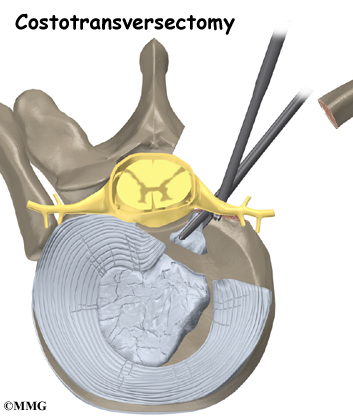
  • costotransversectomy and discectomy
  • transthoracic decompression
  • video assisted thoracoscopy surgery (VATS)
  • fusion

Costotransversectomy

Surgeons use costotransversectomy to open a window through the bones that cover the injured disc. Operating from the back of the spine, the surgeon takes out a small section on the end of two or more ribs where they connect to the spine. (Costo means rib.) Then the bony knob on the side of the vertebra (the transverse process) is removed. (Ectomy means to remove.) This opens a space for the surgeon to work. The injured portion of the disc that is pressing against the spinal cord is removed (discectomy) with small instruments. Surgeons take extreme care not to harm the spinal cord.

Transthoracic Decompression

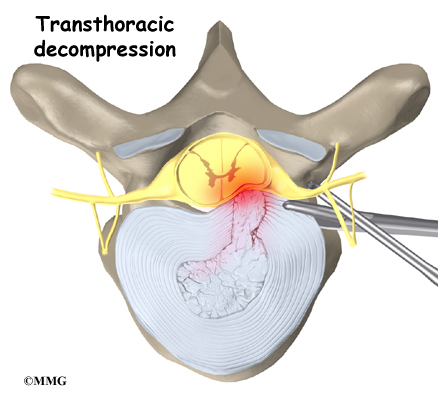
Transthoracic describes the approach used by the surgeon. Trans means across or through. The thoracic region is the chest. So in transthoracic decompression, the surgeon operates through the chest cavity to reach the injured disc. This approach gives the surgeon a clear view of the disc.

With the patient on his or her side, the surgeon cuts a small opening through the ribs on the side of the thorax (the chest). Instruments are placed through the opening, and the herniated part of the disc is taken out. This takes pressure off the spinal cord (decompression).

Video Assisted Thoracoscopy Surgery (VATS)

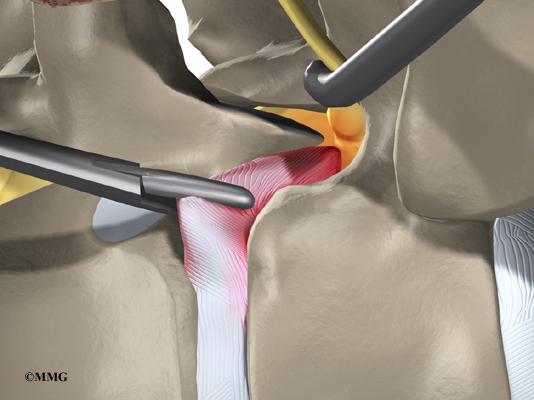
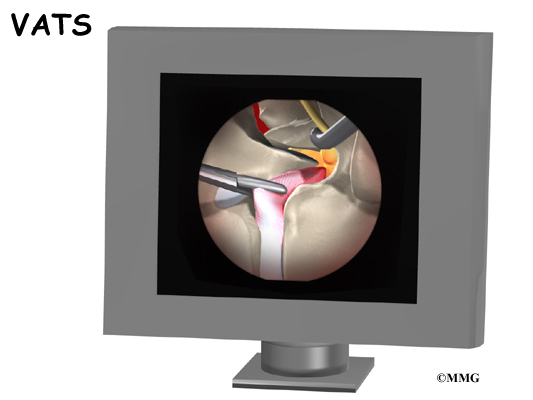
Recent developments in thoracic surgery include video assisted thoracoscopy surgery (VATS). This procedure is done with a thoracoscope, a tiny television camera that can be inserted into the side of the thorax through a small incision. The camera allows the surgeon to see the area where he or she is working on a TV screen. Small incisions give passage for other instruments used during the surgery. The surgeon watches the TV screen while cutting and removing damaged portions of the disc.

Categorized as minimally invasive surgery, VATS is thought to be less taxing on patients. Advocates also believe that this type of surgery is easier to perform, prevents scarring around the nerves and joints, and helps patients recover more quickly.

Fusion

After removing part or all of the disc, the spine may be loose and unstable. Fusion surgery may be needed immediately afterward. The medical term for fusion is arthrodesis. This procedure locks the vertebrae in place and stops movement between the vertebrae. This steadies the bones and can ease pain. Fusion surgery is not usually needed if only a small amount of bone and disc material was removed during surgery to fix a herniated thoracic disc.

In this procedure, the surgeon lays small grafts of bone over or between the loose spinal bones. Surgeons may use a combination of screws, cables, and rods to prevent the vertebrae from moving and allow the graft to heal.

Rehabilitation

What should I expect as I recover?

Nonsurgical Rehabilitation

Even if you don't need surgery, your doctor may recommend that you work with a physical therapist. Patients are normally seen a few times each week for four to six weeks.

The first goals of treatment are to control symptoms, find positions that ease pain, and teach you how to keep your spine safe during routine activities.

As patients recover, they gradually advance in a series of strengthening exercises. Aerobic exercises, such as walking or swimming, can ease pain and improve endurance.

After Surgery

Rehabilitation after surgery is more complex. Some patients leave the hospital shortly after surgery. However, some surgeries require patients to stay in the hospital for a few days. Patients who stay in the hospital may be visited by a physical therapist soon after surgery. The treatment sessions help patients learn to move and do routine activities without putting extra strain on the back.

During recovery from surgery, patients should follow their surgeon's instructions about wearing a back brace or support belt. They should be cautious about overdoing activities in the first few weeks after surgery.

Many surgical patients need physical therapy outside of the hospital. They see a therapist for one to three months, depending on the type of surgery. At first, therapists may use treatments such as heat or ice, electrical stimulation, massage, and ultrasound to calm pain and muscle spasm. Then they teach patients how to move safely with the least strain on the healing back.

As patients recover, they gradually begin doing flexibility exercises for the hips and shoulders. Mobility exercises are also started for the back. Strengthening exercises address the back muscles. Patients may work with the therapist in a pool. Patients progress with exercises to improve endurance, muscle strength, and body alignment.

As the rehabilitation program evolves, patients do more challenging exercises. The goal is to safely advance strength and function.

Ideally, patients are able to go back to their previous activities. However, some patients may need to modify their activities to avoid future problems.

When treatment is well under way, regular visits to the therapist's office will end. The therapist will continue to be a resource. But patients are in charge of doing their exercises as part of an ongoing home program.

Tuesday, August 4, 2009

An Introduction to Minimally Invasive Surgery

What Is Minimally Invasive Spine Surgery?

In essence, minimally invasive spine surgery is the performance of surgery through small incision(s), usually with the aid of endoscopic visualization (i.e., very small devices or cameras designed for viewing internal portions of the body).

surgeons performing endoscopic spine surgery

Why Is Minimally Invasive Spine Surgery Needed?

Minimally invasive spine surgery has developed out of the desire to effectively treat disorders of the spinal discs with minimal muscle related injury, and with rapid recovery.

Traditionally, surgical approaches to the spine have necessitated prolonged recovery time. For example, in the 1990s the state-of-the-art procedure for fusion of the lumbosacral spine has been the instrumented posterolateral fusion. In order to perform this procedure, the back muscles are moved away from their spinal attachments, allowing the surgeon space to place rods, screws, and bone graft.

First, this surgical approach (i.e., dissecting the muscles) produces the majority of the perioperative pain and delays return to full activity. The degree of the perioperative pain necessitates the use of significant pain medication with their inherent side effects. Also, the degree of the perioperative pain delays return to normal daily activities and nonphysical work.

Second, the dissection of the paraspinal muscles from their normal anatomic points of attachment results in a healing by scarring of these muscles. The various layers of the individual muscle scar to one another losing their independent function.

In addition, it has been found that this type of dissection results in the loss of innervation (i.e., the supply of nerve stimulation) of the muscles with subsequent wasting away. A permanent weakness of the back muscles results. This weakness itself may be symptomatic (as a back fatigue-type pain) and/or limit the patient's function - particularly in those who perform physical work. These side effects of the posterior approach to the lumbar spine have been called fusion disease.

Clearly, with such significant muscle injury associated with surgical approaches to the spine, the need existed for the development of less invasive surgical techniques. It was envisioned that minimally invasive techniques would offer several advantages including: -Reduced surgical complications - Reduced surgical blood loss - Reduced use of postop narcotic pain medicines - Avoidance of fusion disease - Reduced length of hospital stay - Increased speed of functional return to daily activities The Emergence of Minimally Invasive Techniques With the advent of laparoscopic general surgery in the 1980s, other surgical specialties began searching for applications of the visualization technology. It became apparent that sections of the spine, such as the thoracic (chest) and lumbar (lower back) regions could be exposed using minimally invasive technology.

Development of Laparoscopic Approaches to the Lumbar Spine

During the 1980s laparoscopic technology was developed that enabled exposure of the lumbar spine. Although visualization was possible, initially there was not a method of fixation of the lumbar motion segment which could be introduced via laparoscopic tubes, and that could provide stability comparable to posterior fixation. Without the ability to instrument the spine laparoscopically, the new technology had very limited applications.

However, under development at approximately the same time was a class of interbody fixation devices, i.e., small implants (usually cylindrical) that screw into the disc space and fuse the vertebra together.

When tested biomechanically, these interbody spacers actually equal or exceed the flexion/extension stiffness produced by the traditional methods of stabilizing the spine. It is the stability afforded by the interbody fixation devices that promotes fusion and clinically produces rapid resolution of the patient's back pain symptoms. Initially, interbody fixation devices were cylindrical and composed of titanium alloy. Subsequently, titanium alloy cages of a tapered design and cylindrical cages formed from bone bank bone have been developed. These devices are packed with bone harvested from the patient's pelvic bone and screwed into the disc space. The bone from the vertebral bodies will then grow through the cages, incorporating the contained bone graft, and fusing the adjacent vertebrae to one another. The combination of laparoscopic technology and the advent of interbody fixation devices provided the necessary breakthrough for surgeons to be able to instrument the lumbar spine laparoscopically.

The first laparoscopic anterior interbody fusion of the lumbar spine was performed in late 1993. The initial clinical trial of the technique involved the BAK device. As one of the initial clinical investigators for this series, we have found a tremendous reduction in peri-operative morbidity when compared to instrumented posterolateral fusion procedures. The average hospitalization for spinal fusion is 4-5 days for an instrumented posterior procedure, 2-3 days for open anterior fusions, while an anterior/posterior combined procedure averages approximately 6-7 days. In comparing the author's initial laparoscopic results with the open-anterior retroperitoneal approach BAK clinical trial results, the benefits are clearly demonstrated. (See table 1.)

Table 1: Comparison of the Laparoscopic and the Open-Anterior Interbody Fusion with BAK Internal Fixation (Heim, Altimari):

Length of hospitalization (days)
Laparoscopic
Open
Length of hospitalization (days)
1 level
1.37
3.98
2 levels
1.5
4.90
Blood loss (cc)
1 level
96
224
2 levels
150
407
Duration of surgery (minutes)
1 level
159
149
2 levels
240
216

Clinically, the dramatic reduction in hospitalization has served as the initial benefit in the reduction of the perioperative morbidity of the posterior approach to the spine. The following has also been found: - Significant reduction in the use of postoperative narcotic analgesic - Significantly quicker functional return to normal daily activities - More successful rehabilitation in those patients who perform physical work

In addition to avoiding the fusion-disease phenomenon, the insertion of interbody cages into a diseased disc space results in the restoration of the narrowed disc height. This has a very beneficial effect of enlarging the narrowed neuroforamen (the space for the nerve root), relieving some degree of the possible nerve-root compression. This effect has been studied by Dr. Chen et al, who found there to be a direct correlation of the restoration of foraminal volume with the increase in the posterior disc height.

In summary, the initial clinical experience of the minimally invasive surgical approaches to the lumbar spine appears to offer measurable benefits over the standard posterior spinal approach when applied to the appropriate patient. Table 2 lists the overall advantages and disadvantages of the laparoscopic anterior interbody fusion of the lumbar spine.

Table 2: Laparoscopic Anterior Interbody Fusion of the Lumbar Spine

Advantages

  • Reduced perioperative morbidity
  • Avoidance of fusion disease
  • Restoration of disc height/foraminal vol. Initial technique learning curve
  • Biomechanics and bone physiology favor anterior fusion
  • Segmental stabilization offered by interbody devices

Disadvantages

  • Inability to directly decompress spinal canal
  • Variability in great vessel anatomy
  • Initial technique learning curve

Development of Thoracoscopic Approaches to the Spine

In the early 1990's, with the evolution of laparoscopic general surgery and laparoscopic surgery of the lumbar spine interest in a minimally invasive approach to thoracic pathology developed. Chest surgeons had initiated a technique of thoracoscopic dissection and visualization of the chest cavity. This was useful diagnostically - for biopsy in particular. It became apparent that the exposure of the chest cavity via a scope also permitted visualization of the vertebral column.

The standard open surgical approaches to the thoracic spine usually involves thoracotomy (i.e. creating a large opening in the chest wall). Most commonly this involves a rib removal. The thoracoscopic exposure avoids the extensive violation of the chest wall; the surgeon works through a series of small punctures. Specific tools and implant systems have permitted the spine surgeon to remove thoracic discs, biopsy vertebral masses/tumors, release scoliotic curves, bone graft disc spaces and even to instrument the spine working through these small (1-2 inch puncture incision).

During surgery, the lung on the side of the spine to be approached for the spinal procedure is deflated, leaving the vertebral column directly visible under a thin, transparent pleural layer. The structural integrity of the chest wall creates the space for thoracoscopic visualization, whereas in the abdomen the insufflation creates the space for visualization.

As with the case in laparoscopic exposure of the lumbar spine, the avoidance of a formal open surgical approach greatly diminishes the operative tissue trauma of the procedure. However, the surgeon must remain selective in the decision to utilize a minimally invasive approach to either the lumbar or the thoracic spine. The first key premise in the decision to utilize such an approach is to ensure that the patient's specific pathology can be suitably treated in such a manner.

Conclusion

It is this author's belief that the near future will see further applications of minimally invasive approaches to spinal surgery with resultant reductions in morbidity. This can reasonably be expected to be further revealed in functional outcome studies tracking the patient's rehabilitation.

Robotics and Computers in Minimally Invasive Spine Surgery


Minimally invasive spine surgery has recently been advanced with the use of endoscopes, improvements in camera equipment and advances in medical robotics. The advantages to the patient are less pain, smaller incisions, fewer complications and a more rapid return to normal activity when compared to conventional surgery. Surgeons are now able to remove a ruptured disc using a small endoscope, repair a painful disc using electro thermal energy and fuse a painful degenerated disc with the aid of a miniature camera and incisions no larger than ½ inch. Robotics and computers are now playing an expanding role in assisting the surgeon in these minimally invasive procedures.

The idea of robotics in surgery got its start in the military. The idea was to develop technology where a surgeon could perform an operation from a remote location on an injured soldier in the battlefield. This concept has evolved into robotics to enhance surgical performance. In this instance, a robotic arm called Endowrist performs the procedure with the surgeon guiding the robotic arm from a location in or adjacent to the operating room. The surgeon sits at a station peering at a monitor that shows a magnified view of the surgical field. A computer mimics and enhances his hand movements. The computer in this instance makes the movements more precise by dampening even a tiny tremor in the surgeon's hands, which might increase the difficulty in performing procedures under high power microscopic magnification.
Examples of such procedures now being performed that were extremely difficult if not impossible before this technology are fallopian tube repair in women, microsurgery on the fetus, and minimally invasive coronary bypass surgery. The Zeus robot made by Computer Motion and a similar device, the Endowrist made by Intuitive Surgical are now in clinical trials for the above-mentioned procedures. Even with the robot to enhance the surgeon's ability, a great deal of practice is required to master the technique.

Robots are also used to help in performing tasks, which are either boring or fatiguing for humans. This idea formed the basis to develop Aesop, a voice-activated robotic arm that holds the camera and endoscope assembly for the surgeon during an endoscopic procedure. Not only does this reduce the need for a person to be required to do this task, but in most instances Aesop does a better job by moving precisely where the surgeon commands the robot, providing a rock-steady image and never fatiguing. To do all this, the surgeon must first make a voice card of all the commands so that the robot can recognize the command with minimal chance of error in interpretation of the voice signal. Once this is done the surgeon must repeat the command in a similar speaking voice. If the surgeon's voice raises or becomes angry, the robot usually stops responding. One might think that in this instance the robot is acting to program the surgeons' behavior.

aesop minimally invasive spine surgery surgeon surgery monitor color photo msd
Aesop is a voice -activated robotic arm that holds the camera and endoscope assembly for the surgeon during an endoscopic procedure.

Hermes, or Voice Activated Operating Room, allows the surgeon to command adjustments in the camera such as light intensity, raising and lowering the operating table, turning power sources on and off and even making an outside phone call when consultation is needed. In the very near future it is expected that the patients' diagnostic studies such as MRI and CAT scans will be transmitted to a flat panel monitor in the operating room for the surgeon to review during the procedure.

image guided surgery robotics minimally invasive spine surgery color photo
Hermes, or Voice Activated Operating Room, allows the surgeon to command adjustments in the camera such as light intensity, raising and lowering the operating table, turning power sources on and off and even making an outside phone call when consultation is needed.

Computers are also being used in image guidance systems to give the surgeon real time images and allow him to navigate to the specific location on the spine. The surgeon can use digital information obtained before surgery such as MRI or CAT scans or use real time fluoroscopic x-rays to develop a three dimensional image of the spine with the exact location of a probe placed on the spine. This technology has been shown to minimize errors in placement of pedicle screws that are sometimes used to fix the spine. It is also expected that this technology will expand to allow more precise targeting of the problem with minimal incisions and fewer surgical complications.

The use of robotics and computers in minimally invasive spine surgery has resulted in more accurate surgical procedures, shortened operative time and fewer complications. It is expected that Computer Enhanced Image Guidance Systems will improve the precision of these procedures as a result of real time 3-D imaging at the time of the surgery. Diagnostic studies will be digitally transmitted to the operating room and projected to monitors to further aid the surgeon in performing the correct procedure with minimal trauma to the patient.

One vivid image we have of computers and artificial intelligence comes from the computer Hal in 2001, A Space Odyssey. We can't resist thinking of robots as possessing human qualities. In fact, the Aesop robot has been programmed to give the surgeon a compliment. When the surgeon feels he or she has done a good job, the surgeon voices the command "compliment" at the end of the surgical procedure. Aesop will then respond, "You are a great surgeon". Even robots know that compliments go a long way.

Cervical Radiculopathy Treated Surgically on an Outpatient Basis

Since the original article1 was published, outpatient treatment for cervical disc disease has become our routine. I would estimate that as high as 95% of our cervical radiculopathies can be treated as an outpatient. We have yet to have a serious complication.

We believe that treatment of cervical radiculopathy by the posterior approach is much superior to the anterior discectomy and fusion technique in most cases. Reasons for this include the fact that a laminectomy does not create temporary instability and therefore a cervical collar or brace is not necessary. In other words, a patient can drive a car a few days postoperative. A scar in front of the throat is avoided. We have found that a fusion results in extra wear and tear on the joints above and below the fusion resulting in the need for additional surgery years later. Also, the cost of a cervical fusion is usually double that of a laminectomy. In cases of the rarely indicated multiple level procedure utilizing screws and plates, the cost can be as much as four times that of a single-level microlaminectomy. We have found that with the exception of cases involving fractures, tumors or spinal cord compressions, just about all of the cases treated with the fusion technique can be treated with a microlaminectomy technique. Endoscopic techniques for treating cervical disc disease posteriorly are being developed but the incisions employed are not much smaller than our incisions and the fact that all of our patients are dismissed home within six hours postoperative, attests to the lack of significant postoperative discomfort. The endoscopic technique markedly increases the cost of treatment.

Warren D. Parker, M.D., F.A.C.S.

You are fortunate to be living in a period of time when the concepts of traditional spine surgery are dramatically changing. Improvements in anesthesia and technological advancements in surgical techniques and equipment continue to reveal efficient new ways to perform spine surgery safely.

Minimally invasive spine procedures (e.g. microdiscectomy) are making it possible for patients to go home the day of or the day after surgery. These specialized procedures use tiny surgical instruments and small incisions, which affords patients speedier recoveries, fewer complications and less scarring.

The purpose of this article is to introduce you to the study results from an outpatient surgical procedure used to treat Cervical Radiculopathy. However, before proceeding, you need to know what cervical radiculopathy means.

What is Cervical Radiculopathy?

Cervical radiculopathy means a spinal nerve root in the neck is irritated and/or compressed. The spinal nerve roots are located in the spinal canal and the neuroforamen. The neuroforamen are small holes through which the spinal nerves exit the spinal column. Outside the spine these nerves branch off into other parts of the body forming the peripheral (outer) nervous system.

vertebral body, labeled structures, color drawing

Nerve irritation may result from disc herniation, spinal stenosis, osteophyte formation or other degenerative disorders. Nerve irritation may cause sensory and/or motor abnormalities called neurologic deficit. Pain, tingling and numbness are examples of a sensory abnormality. Weakness and reflex loss are examples of a motor abnormality. Cervical radiculopathy may cause symptoms to appear in the neck, shoulders, arms, hands and fingers.

Cervical Nerves (Yellow)

cervical nerves

Diagnosis and Non-Surgical Treatment

An MRI or myelography and CT Scan may follow a physical examination and neurological evaluation. These tests help the spine specialist determine where the radiculopathy is located and if the patient’s symptoms correlate to the image studies.

Depending on the cause of the cervical radiculopathy, the spine specialist may first recommend non-surgical treatment. This treatment may include medication and physical therapy. Of course, not all patients are alike and some patients may require surgery.

Outpatient Surgery Study

The study involved 502 patients with cervical radiculopathy. Two hundred of these patients opted for outpatient spine surgery. The ‘outpatient’ operations were performed using general anesthesia, a posterior approach, limited tissue dissection and laminoforaminotomy at each affected level of the spine. A laminoforaminotomy is a procedure where the lamina (bony area covering posterior access to the neuroforamen) is removed, which gives the surgeon access to the affected nerve roots. During this procedure, the nerve roots are decompressed (freed from impingement).

Following surgery, each patient was observed for several hours and discharged when able to meet physical criteria such as walking without assistance. No patient required hospital admission in the post-operative period. Out of the 200 patients, 183 patients followed-up for an average of 19 months.

Evaluation Criteria

The outcome of each patient was determined by reviewing complications, functional outcome, recurrence of radiculopathy (symptoms) and time between surgery and return to work.

The functional outcome of each patient in this study was evaluated using the following criteria1:

Outcome Criteria
Excellent Normal working capability in previous or comparable activity; no, or only occasional, mild residual pain
Good Normal (full) working capability in previous or comparable activity; mild residual pain
Satisfactory Reduced working capability; but ability to work in less heavy activity; radicular pain improved
Moderate Incapable of work; radicular pain improved
Poor Incapable of work; pain unchanged or worse

Outcome Results

The following patient outcome results include Worker’s Compensation (WC) claims involved and those not involved.

Outcome % Of Patients WC Case Claims
Excellent/Good 92.8% WC not involved
Excellent/Good 77.8% W/C involved
Poor 3.8% N/A

Comparing the outcome between outpatient surgical treatment of cervical radiculopathy and inpatient surgical care (hospitalization), the outcomes are similar. The study shows outpatient surgical treatment is safe in selected patients. In fact, there were no infections or significant complications after outpatient surgery.

Conclusion

Although all patients with cervical radiculopathy are not candidates for outpatient surgery, the study results are very encouraging. The absence of post-operative infection and complications combined with successful long-term outcomes shed a bright light on the future of these procedures.

Minimally Invasive TLIF (Transforaminal Lumbar Interbody Fusion)

For some patients with serious spondylolisthesis, degenerative disc disease, or nerve compression with associated low back pain, fusion surgery is the treatment of choice. Fusion surgery involves joining or fusing two or more vertebrae together. PLIF and TLIF are two different types of fusion surgery that can be effective treatments for these conditions.

PLIF versus TLIF
Posterior Lumbar Interbody Fusion (PLIF) is a common surgical technique used to treat the conditions mentioned above. In this procedure, bone graft, or a bone graft substitute, is placed between vertebrae in order to fuse them and create a stronger and more stable spine. The bone graft is inserted into the disc space from the back (posterior). In addition, spinal instrumentation such as screws and rods are used to hold the spine in position and help promote successful fusion.

In recent years, many surgeons have begun to use a TLIF procedure (Transforaminal Lumbar Interbody Fusion) in preference to a PLIF. A TLIF can accomplish the same goals as a PLIF procedure. However, in TLIF the surgeon inserts the bone graft into the disc space from the side. This results in the nerve roots being moved less during the procedure, as compared to a PLIF, and may reduce the risk of scarring or damaging the nerve roots.

Open Versus Minimally Invasive
Traditionally, TLIF has been performed as an "open" technique, which requires making a larger incision along the middle of the back. Through this incision, the surgeon then cuts away, or retracts, spinal muscles and tissue to access the vertebrae and disc space. The cutting and retracting of muscle and tissue is part of the reason that after the operation, patients are faced with a long recovery period of several weeks or months.

Today there is a minimally invasive TLIF technique that is proving to be an effective alternative to "open" fusion surgery. In a minimally invasive TLIF, the surgeon inserts a small tube through the skin until it "rests" on the spine. Using special surgical instruments the surgeon then does the entire TLIF procedure through the tube. Working through the small tube, instead of a larger "open" incision, greatly reduces the amount of muscle and tissue that is cut or retracted. Blood loss is dramatically reduced. These minimally invasive benefits also lead to shorter hospital stays and quicker patient recovery times.

A Recent Study
A recent study of 49 minimally invasive TLIF operations has shown excellent results. This study included 19 men and 30 women. Forty-five of the patients suffered from both mechanical low back pain (related to the body's movement) and radicular pain (from pinched nerve roots) in their legs. The remaining patients had low back pain alone. Eleven of these patients had had previous surgeries at the same levels of the spine.

After their procedures, all 45 patients with both back and leg pain reported improvement of their symptoms. The four patients with mechanical low back pain alone reported a decrease in their pain. In addition, 18 months after their surgeries, all of these patients had solid, successful fusions. The average hospital stay for these patients was 1.9 days. The patients seemed to have less post-operative pain than for an open procedure, with narcotic pain relief medications discontinued 2-4 weeks post-operatively.

Case Study - Meet Ray
Ray is a 55-year old man who suffered with severe low back and leg pain from spondylolisthesis and spinal stenosis at L4-5. Figure 1 shows the spondylolisthesis (forward slippage of L4 on L5, arrow) and Figure 2 shows the spinal stenosis (small spinal canal, center arrow).

spondylolisthesis at L4-L5
Figure 1. Spondylolisthesis

spinal stenosis
Figure 2. Spinal Stenosis

Back Pain Relief Centers in Rancho Santa Margarita, California

Spinal surgery - lumbar


Definition

Lumbar spinal surgery is used to correct problems with the spinal bones (vertebrae), disks, or nerves of the lower back (lumbar spine).

See also:

Spinal fusion

Spinal surgery - cervical

Alternative Names

Lumbar spinal surgery

Description

The spine consists of bones (vertebrae) separated by soft cushions (disks). Pressure on the nerves that branch off the spinal cord can produce pain, numbness, tingling, or weakness.

Lumbar spinal surgery is done while you are under general anesthesia (unconscious and pain-free). A surgical cut is made over the area of the problem. The bone that curves around and covers the spinal cord and the tissue that presses on the nerve or spinal cord are removed.

The hole through which the nerve passes may be widened to prevent further pressure on the nerve. Sometimes, spinal fusion is necessary to stabilize the area.

Why the Procedure is Performed

Patients with spinal pain in the neck or back are usually treated conservatively before surgery is considered. This includes bedrest, traction, anti-inflammatory medications (nonsteroid and steroid), physical therapy, braces, and exercise. Maintaining good health, muscle strength, and body posture with appropriate rest and exercise help prevent unnecessary strain on the spine and muscles.

Symptoms of lumbar spine problems that may require surgery at some point include:

  • Pain that extends (radiates) from the back to the buttocks or back of thigh
  • Pain that interferes with daily activities
  • Weakness of legs or feet
  • Numbness of legs, feet, or toes
  • Loss of bowel or bladder control

Immediately call your health care provider or go to the local emergency room if you have numbness in your groin area and problems with urinary or bowel control. This could suggest cauda equina syndrome, which is a medical emergency.

Risks

Risks for any anesthesia include the following:

  • Reactions to medications
  • Problems breathing

Risks for any surgery include the following:

  • Bleeding
  • Infection

Additional risks of spinal surgery include the following:

  • Nerve damage leading to paralysis
  • Blood clots
  • Muscle weakness
  • Loss of bowel or bladder control

Outlook (Prognosis)

The outcome depends on the source of the problem or the extent of the injury but most patients do very well after surgery.

Recovery

How long you must stay in the hospital depends on the type of spinal surgery performed. Some people only say overnight, while others must stay in much longer.

You will be encouraged to walk the first or second day after surgery to reduce the risk of blood clots (deep venous thrombosis).

Complete recovery takes about 5 weeks. Heavy work is not recommended until several months after surgery or not at all.

Cervical (Neck) Surgery Procedures

Lumbar (Back) Surgery Procedures

Back pain

Back pain

Definition

Pain felt in your lower back may come from the spine, muscles, nerves, or other structures in that region. It may also radiate from other areas like your mid or upper back, a hernia in the groin, or a problem in the testicles or ovaries.

You may feel a variety of symptoms if you've hurt your back. You may have a tingling or burning sensation, a dull aching, or sharp pain. You also may experience weakness in your legs or feet.

It won't necessarily be one event that actually causes your pain. You may have been doing many things improperly -- like standing, sitting, or lifting -- for a long time. Then suddenly, one simple movement, like reaching for something in the shower or bending from your waist, leads to the feeling of pain.

Alternative Names

Backache; Low back pain; Lumbar pain; Pain - back

Considerations

If you are like most people, you will have at least one backache in your life. While such pain or discomfort can happen anywhere in your back, the most common area affected is your low back. This is because the low back supports most of your body's weight.

Low back pain is the #2 reason that Americans see their doctor -- second only to colds and flus. Many back-related injuries happen at work. But you can change that. There are many things you can do to lower your chances of getting back pain.

Most back problems will get better on their own. The key is to know when you need to seek medical help and when self-care measures alone will allow you to get better.

Low back pain may be acute (short-term), lasting less than one month, or chronic (long-term, continuous, ongoing), lasting longer than three months. While getting acute back pain more than once is common, continuous long-term pain is not.

Causes

You'll usually first feel back pain just after you lift a heavy object, move suddenly, sit in one position for a long time, or have an injury or accident. But prior to that moment in time, the structures in your back may be losing strength or integrity.

The specific structure in your back responsible for your pain is hardly ever identified. Whether identified or not, there are several possible sources of low back pain:

  • Small fractures to the spine from osteoporosis
  • Muscle spasm (very tense muscles that remain contracted)
  • Ruptured or herniated disk
  • Degeneration of the disks
  • Poor alignment of the vertebrae
  • Spinal stenosis (narrowing of the spinal canal)
  • Strain or tears to the muscles or ligaments supporting the back
  • Spine curvatures (like scoliosis or kyphosis) which may be inherited and seen in children or teens
  • Other medical conditions like fibromyalgia

Low back pain from any cause usually involves spasms of the large, supportive muscles alongside the spine. The muscle spasm and stiffness accompanying back pain can feel particularly uncomfortable.

You are at particular risk for low back pain if you:

  • Work in construction or another job requiring heavy lifting, lots of bending and twisting, or whole body vibration (like truck driving or using a sandblaster)
  • Have bad posture
  • Are pregnant
  • Are over age 30
  • Smoke, don't exercise, or are overweight
  • Have arthritis or osteoporosis
  • Have a low pain threshold
  • Feel stressed or depressed

Back pain from organs in the pelvis or elsewhere include:

  • Bladder infection
  • Kidney stone
  • Endometriosis
  • Ovarian cancer
  • Ovarian cysts
  • Testicular torsion (twisted testicle)

Home Care

Many people will feel better within one week after the start of back pain. After another 4-6 weeks, the back pain will likely be completely gone. To get better quickly, take the right steps when you first get pain.

A common misconception about back pain is that you need to rest and avoid activity for a long time. In fact, bed rest is NOT recommended.

If you have no indication of a serious underlying cause for your back pain (like loss of bowel or bladder control, weakness, weight loss, or fever), then you should reduce physical activity only for the first couple of days. Gradually resume your usual activities after that. Here are some tips for how to handle pain early on:

  • Stop normal physical activity for the first few days. This helps calm your symptoms and reduce inflammation.
  • Apply heat or ice to the painful area. Try ice for the first 48-72 hours, then use heat after that.
  • Take over-the-counter pain relievers such as ibuprofen (Advil, Motrin IB) or acetaminophen (Tylenol).

While sleeping, try lying in a curled-up, fetal position with a pillow between your legs. If you usually sleep on your back, place a pillow or rolled towel under your knees to relieve pressure.

Do not perform activities that involve heavy lifting or twisting of your back for the first 6 weeks after the pain begins. After 2-3 weeks, you should gradually resume exercise.

Begin with light cardiovascular training. Walking, riding a stationary bicycle, and swimming are great examples. Such aerobic activities can help blood flow to your back and promote healing. They also strengthen muscles in your stomach and back.

Stretching and strengthening exercises are important in the long run. However, starting these exercises too soon after an injury can make your pain worse. A physical therapist can help you determine when to begin stretching and strengthening exercises and how to do so.

AVOID the following exercises during initial recovery unless your doctor or physical therapist says it is okay:

  • Jogging
  • Football
  • Golf
  • Ballet
  • Weight lifting
  • Leg lifts when lying on your stomach
  • Sit-ups with straight legs (rather than bent knees)

When to Contact a Medical Professional

Call 911 if you have lost bowel or bladder control. Otherwise, call your doctor if you have:

  • Unexplained fever with back pain.
  • Back pain after a severe blow or fall.
  • Redness or swelling on the back or spine.
  • Pain traveling down your legs below the knee.
  • Weakness or numbness in your buttocks, thigh, leg, or pelvis.
  • Burning with urination or blood in your urine.
  • Worse pain when you lie down or pain that awakens you at night.
  • Very sharp pain.

Also call if:

  • You have been losing weight unintentionally
  • You use steroids or intravenous drugs.
  • You have never had or been evaluated for back pain before.
  • You have had back pain before but this episode is distinctly different.
  • This episode of back pain has lasted longer than four weeks.

If any of these symptoms are present, your doctor will carefully check for any sign of infection (like meningitis, abscess, or urinary tract infection), ruptured disk, spinal stenosis, hernia, cancer, kidney stone, twisted testicle, or other serious problem.

What to Expect at Your Office Visit

When you first see your doctor, you will be asked questions about your back pain, including how often it occurs and how severe it is. Your doctor will try to determine the cause of your back pain and whether it is likely to quickly get better with simple measures such as ice, mild painkillers, physical therapy, and proper exercises. Most of the time, back pain will get better using these approaches.

Questions will include:

  • Is your pain on one side only or both sides?
  • What does the pain feel like? Is it dull, sharp, throbbing, or burning?
  • Is this the first time you have had back pain?
  • When did the pain begin? Did it start suddenly?
  • Did you have a particular injury or accident?
  • What were you doing just before the pain began? Were you lifting or bending? Sitting at your computer? Driving a long distance?
  • If you have had back pain before, is this pain similar or different? In what way is it different?
  • Do you know the cause of previous episodes of back pain?
  • How long does each episode of back pain usually last?
  • Do you feel the pain anywhere other than your back, like your hip, thigh, leg or feet?
  • Do you have any numbness or tingling? Any weakness or loss of function in your leg or elsewhere?
  • What makes the pain worse? Lifting, twisting, standing, or sitting for long periods of time?
  • What makes you feel better?
  • Are there any other symptoms present? Weight loss? Fever? Change in urination? Change in bowel habits?

During the physical exam, your doctor will try to pinpoint the location of the pain and figure out how it affects your movement. You will be asked to:

  • Sit, stand, and walk. While walking, your doctor may ask you to try walking on your toes and then your heels.
  • Bend forward, backward, and sideways.
  • Lift your legs straight up while lying down. If the pain is worse when you do this, you may have sciatica, especially if you also feel numbness or tingling in one of your legs.

Your doctor will also move your legs in different positions, including bending and straightening your knees. All the while, the doctor is assessing your strength as well as your ability to move.

To test nerve function, the doctor will use a rubber hammer to check your reflexes. Touching your legs in many locations with a pin, cotton swab, or feather tests your sensory nervous system (how well you feel). Your doctor will instruct you to speak up if there are areas where the sensation from the pin, cotton, or feather is duller.

Most people with back pain recover within four to six weeks. Therefore, your doctor will probably not order any tests during the first visit. However, if you have any of the symptoms or circumstances below, your doctor may order imaging tests even at this initial exam:

  • Pain that has lasted longer than one month
  • Numbness
  • Muscle weakness
  • Accident or injury
  • Fever
  • If you are over 65
  • You have had cancer or have a strong family history of cancer
  • Weight loss

In these cases, the doctor is looking for a tumor, infection, fracture, or serious nerve disorder. The symptoms above are clues that one of these conditions may be present. The presence of a tumor, infection, fracture, or serious nerve disorder change how your back pain is treated.

Tests that might be ordered include an X-ray, a myelogram (an X-ray or CT scan of the spine after dye has been injected into the spinal column), a CT of the lower spine or MRI of the lower spine.

Hospitalization, traction, or spinal surgery should only be considered if nerve damage is present or the condition fails to heal after a prolonged period.

Many people benefit from physical therapy. Your doctor will determine if you need to see a physical therapist and can refer you to one in your area. The physical therapist will begin by using methods to reduce your pain. Then, the therapist will teach you ways to prevent getting back pain again.

If your pain lasts longer than one month, your primary care doctor may send you to see either an orthopedist (bone specialist) or neurologist (nerve specialist).

Prevention

Exercise is important for preventing future back pain. Through exercise you can:

  • Improve your posture
  • Strengthen your back and improve flexibility
  • Lose weight
  • Avoid falls

A complete exercise program should include aerobic activity (like walking, swimming, or riding a stationary bicycle) as well as stretching and strength training.

To prevent back pain, it is also very important to learn to lift and bend properly. Follow these tips:

  • If an object is too heavy or awkward, get help.
  • Spread your feet apart to give a wide base of support.
  • Stand as close to the object you are lifting as possible.
  • Bend at your knees, not at your waist.
  • Tighten your stomach muscles as you lift the object up or lower it down.
  • Hold the object as close to your body as you can.
  • Lift using your leg muscles.
  • As you stand up with the object, DO NOT bend forward.
  • DO NOT twist while you are bending for the object, lifting it up, or carrying it.

Other measures to take to prevent back pain include:

  • Avoid standing for long periods of time. If you must for your work, try using a stool. Alternate resting each foot on it.
  • DO NOT wear high heels. Use cushioned soles when walking.
  • When sitting for work, especially if using a computer, make sure that your chair has a straight back with adjustable seat and back, armrests, and a swivel seat.
  • Use a stool under your feet while sitting so that your knees are higher than your hips.
  • Place a small pillow or rolled towel behind your lower back while sitting or driving for long periods of time.
  • If you drive long distance, stop and walk around every hour. Bring your seat as far forward as possible to avoid bending. Don't lift heavy objects just after a ride.
  • Quit smoking.
  • Lose weight.
  • Learn to relax. Try methods like yoga, tai chi, or massage.

References

Rakel D. Low Back Pain. In:Integrative Medicine. Elsevier; 2003:423-431.

Sierpina VS, Curtis P, Doering J. An Integrative Approach To Low Back Pain. Clin Fam Pract. 2002; 4(4); 817.

US Preventative Services Task Force. Primary Care Interventions to Prevent Low Back Pain: Brief Evidence Update. Rockville, MD: Agency for Healthcare Research and Quality; February 2004.

Spinal stenosis

Definition

Spinal stenosis is a narrowing of the lumbar (back) or cervical (neck) spinal canal, which causes compression of the nerve roots.
Causes

Spinal stenosis mainly affects middle-aged or elderly people. It may be caused by osteoarthritis or Paget's disease or by an injury that causes pressure on the nerve roots or the spinal cord itself.
Symptoms

* Pain in the buttocks, thighs or calves that is worse with walking or exercise
* Numbness in the buttocks, thighs or calves, that is worse with standing, walking or exercise
* Back pain that radiates to the legs
* Weakness of the legs
* Neck pain
* Leg pain
* Difficulty or imbalance when walking

Exams and Tests

An examination of reflexes of lower legs reveals asymmetry. Neurologic examination confirms leg weakness and decreased sensation in the legs.

* X-ray of the spine shows degenerative changes and narrowed spinal canal.
* Spinal MRI or spinal CT scan shows spinal stenosis.
* EMG may show active and chronic neurological changes.

Treatment

Generally, conservative management is encouraged. This involves the use of anti-inflammatory medications, other pain relievers, and possibly steroid injections. If the pain is persistent and does not respond to these measures, surgery is considered to relieve the pressure on the nerves.

Surgery is performed on the neck or lower back, depending on the site of the nerve compression.
Outlook (Prognosis)

If the nerve roots can be successfully relieved of pressure, the symptoms will not worsen and may improve.
Possible Complications

Injury can occur to the legs or feet due to lack of sensation; infections may progress because pain related to them may not be felt. Changes caused by nerve compression may be permanent, even if the pressure is relieved.
When to Contact a Medical Professional

Call your health care provider if symptoms suggestive of spinal stenosis develop.

Spine pictures

Spine pictures
The spinal nerve on the left side of the picture is in the "neural foramen"--a canal or doorway for the nerve to leave the spinal canal and go out into the body. Disc herniations, bone spurs from the vertebral body and bone spurs from the facet joints can press on the nerve in the neural foramen
This shows what normal discs look like in the lower back. The central part has a significant amount of water within it and behaves something like jello or like an expensive gel-filled seat cushion. This inner part of the disc, the nucleus, is a bright gray on these pictures. The outer part of the disc, the annulus, is a tough, fibrous layer that is strong. It keeps the softer nucleus in place. It is dark on these pictures and looks the same as the edges of the bone. The inner part of the bone, the bone marrow, contains cells that produce red and white blood cells
The spinal nerves are in the upper part of the "neural foramina", or openings or doorways for the spinal nerves, as they go from the spine to the rest of the body. At L2 (the 2nd lumbar vertebra), the spinal nerve is circled with a white line. The bright material below the nerve is fatty tissue.
The L45 disc (short arrow) is not as bright as the discs near the top of the picture because it has partially dried out. Aging and injury cause a disc to lose water. The loss of water weakens the disc and decreases its "shock absorber" capabilities. In this case, a fragment of the central part of the disc has slipped backwards and upwards, to narrow the spinal canal
The fine white line surrounds the "neural foramen" or doorway through which the spinal nerves leave the spinal canal to spread out into the body. This neural foramen can be narrowed by disc herniations, spurs from the margin of the vertebral body, or spurs from the facet joints
In this patient, a fragment of the L4-5 disc has extruded outside its normal location and is pushing into the spinal canal.
During minimally invasive surgery for disc herniation, a small endoscope with fiber optics is directed from the skin to the disc. In the picture above, the endoscope is in the L45 disc.
This is what the surgeon sees through the small scope. The white material is the d

New Surgical Technique _ Non Traumatic Discectomy

A Non Traumatic Discectomy is an outpatient surgical procedure to remove herniated disc material. The procedure may be performed in the operating room or special procedures room at the hospital. Patients are administered a local anesthesia, consisting of an injection of anesthetic in the muscle (not a spinal block).

Then, with the help of x-ray fluoroscopy and a magnified video for guidance, a small specially designed endoscopic probe is inserted through the skin of the back, between the vertebrae and into the herniated disc space. Tiny surgical attachments are then sent down the hollow center of the probe to remove a portion of the offending disc. Sometimes, the microsurgical attachments can be used to push the bulging disc back into place and be used for the removal of disc fragments and small bone spurs.

On average, the procedure takes about 45 minutes to an hour. X-ray exposure is minimal. You normally will feel little, if any, pain or discomfort. Upon completion, the probe is removed and a small Band-Aid is placed over the incision. There are no stitches.

The amount of nucleus tissue removed varies, and the supporting structure of the disc is not affected by the surgery. In comparison to large incisions required for open surgery, the access route to the disc in minimally invasive surgery consists of only the probe's small puncture site, usually the size of a freckle.

A Non Traumatic Discectomy is different from an open lumbar disc surgery because there is no traumatic back muscle dissection, no bone removal, and no large skin incision. The risk of complications from scarring, blood loss, infection, and anesthesia that may occur with conventional surgery are drastically reduced or eliminated with this procedure. Non Traumatic Discectomy was invented to be an effective treatment for herniated discs while avoiding these risks.

NON-TRAUMATIC NEW TECHNIQUE

  • Muscle, Bone and Joint are not cut.
  • Relieves Nerve Pinching.
  • Herniated Disc Material Removed.
  • Annular Barrier Wrapping Remains.
  • No Stitches.
  • Band Aid only.
  • No Inpatient Hospital Stay
TRAUMATIC OLD TECHNIQUE

  • Muscle, Bone and Joint are cut/removed.
  • Scar Tissue Develops Throughout the Surgical Area.
  • Annulus Disrupted; High Recurrence Rate (10-15%).
  • Bone Remains Open.
  • Hospital Stay-Long Recovery Period.
  • Ill Effects May Be Permanent-Constriction From Scarring, etc.
  • No Cutting - No Bleeding - No Scarring
    • Major Breakthrough
      By Leading neurosurgeon, Board Certified; Yale Fellowship

    • Non Cutting Surgical Technique

    • Preven Irreversible damage from Old Style Cutting Spine Surgery

    • Home Same Day, No Stitches

    • Many thousands successfully treated since 1986.

    • Highly effective & Safest method

    Minimally Invasive Spine and Neck Surgery

    Why undergo a major operation, when a smaller one could provide similar results?

    Back pain is a leading cause of lost productivity at work and diminished quality of life at home. Yet, most of us will have at least one serious episode of back pain within our lifetimes. If that’s all you have to contend with, consider yourself lucky. Many others will face constant pain, rendering some completely disabled.

    Conventional treatments, such as avoiding strenuous activity, taking non-steroidal anti-inflammatory medications and physical therapy, will prove sufficient to control the symptoms for many back and neck pain patients. A small percentage, however, will become candidates for spine surgery. While it might seem like a quick cure-all, undergoing an operation should be the last resort—after all other means have been tried and have failed.

    There are many different types of spinal procedures, all targeted to the specific problem believed to cause the symptoms. If a nerve is being “pinched,” resulting in numbness and weakness in an arm or leg, it is often due to a displaced or “slipped” disc.

    Discs are the “shock absorbers” between vertebrae. They are made of tissue similar to cartilage, which can bulge out of place and put pressure on a nearby nerve. A “discectomy” typically involves removal of the displaced part of the disc and some adjacent bone, which takes pressure off the nerve.

    Back and neck operations are frequently more complex than that. Spinal procedures commonly involve a “fusion” of two or more vertebra in the neck or lower back. This requires the removal of most of the disc and insertion of materials that facilitate bone growth across the space. This usually results in a solid link between the two adjacent vertebrae— a fusion. Similar to the time it requires to recover from a fracture, this may take a few months. Thus, a “splint” is applied to prevent motion between the vertebrae as the bone grows. In the case of the spine, an effective splint cannot be placed outside the body, so metal screws and rods are used inside to fasten adjacent vertebrae to one another.

    These operations typically require large incisions in the skin and profound stretching of nearby muscles to expose an area large enough to perform the surgery. Recently, however, a small number of surgeons have succeeded in achieving the same results with far less skin and muscle disruption, greatly increasing the safety and comfort of having an operation on the spine.

    Reduced exposure of the spine decreases the risk of infection, as well as the need for blood transfusion. The amount of time spent under anesthesia is shortened, as well. More importantly, post-operative pain is reduced. Therefore, patients require less time in the hospital and get back to their normal routines more quickly.

    A person considering spine surgery should know a few things:

    First, there is the distinction between neurosurgeons and orthopedic spine surgeons. Neurosurgeons spend at least half their medical school years and residencies, along with roughly half their time in practice, operating on the spine. Neurosurgeons study the nervous system —this means the nerves and spinal cord in and around the spine, as well as the brain— throughout their careers. Moreover, in the US, only neurosurgeons are “certified” in spinal surgery.

    By contrast, most orthopedic surgeons gain limited spinal surgery experience during their primary training, and do not study the nervous system located within the spine. Orthopedic surgeons interested in becoming spine specialists do spend an extra year of intensive training in spine surgery, but there is currently no certification process for this. However, none of this is to say that all neurosurgeons are great, and no orthopedic surgeons are.

    Clearly, choosing a superior spine surgeon requires careful consideration. It’s recommended that you find out as much about a surgeon as you can. Internet information will likely not reveal enough about the caliber of the surgeon, and you may not have the same experience with a surgeon as a friend or family member. Still, these are good places to begin. Your primary doctor can also refer you to surgeons with whom their other patients have had good experiences. Much of your decision should be based on your comfort level with the surgeon during your consultations. Just know that all surgeons have had patients with unsatisfactory results.

    Be wary of hasty or emphatic recommendations to have an operation on your spine. Remember, everything else must have failed and you must have a clear indication that your case would be best served by an operation. Even then, a significant percentage of spine operations will not be completely successful. Fortunately, most people do experience some relief.

    A good surgeon will take the time to explain all of this to you, along with the possible complications of a recommended procedure. All operations come with risks. The estimated potential benefits, however, should greatly outweigh any risks associated with the surgery. Run from any surgeon who does not take the time to explain everything clearly to you.

    Last, but not least, get at least two opinions. If the first two differ greatly, that might be reason to seek a third. Also, look for a spine surgeon skilled in minimally invasive techniques. No need to have a big operation when a smaller one could work just as well.

    Inside Center

    This is inside USTopSpineSurgeons Center with perfect conditions for everyone who comes for treatment.

    About us

    USTopSpineSurgeons takes pride in the care given by our Board Certified and State of California surgeons. Our surgeons have each been recognized and awarded as “America's Top Surgeons” for their skills and experience, and have further distinguished themselves through dedicated service on various Boards and Associations. Included among these are: the American Board of Surgery, the American Board of Thoracic and Cardiovascular Surgeons, the American Board of Otolaryngology, the American Board of Anesthesiology, and the American Osteopathic Associations, and the American Board of Plastic and Reconstructive Surgeons.

    Our center is made up of board-certified surgeons, anesthesiologists, registered nurses, and surgical technicians. All are skilled in the latest surgical procedures and use state-of-the-art medical equipment. This team has been specifically trained in surgical and post-anesthesia care. Also, our surgeons specialize in surgeries related to Workers’ Compensation injuries. Our anesthesiologists are experts in anesthesia. Nothing has been overlooked in providing a caring environment for our patients. Our operating rooms and recovery rooms are equipped with state-of-the-art equipment. Our patients will receive the highest quality of care that anyone would expect to receive at any surgery center. At USTopSpineSurgeons , we treat you as we would want to be treated, or have our family members be treated. We believe that providing clear and comprehensive information is the best means for ensuring that our patients can fully decide their health and beauty potential. We look forward to providing the highest quality of medical care.